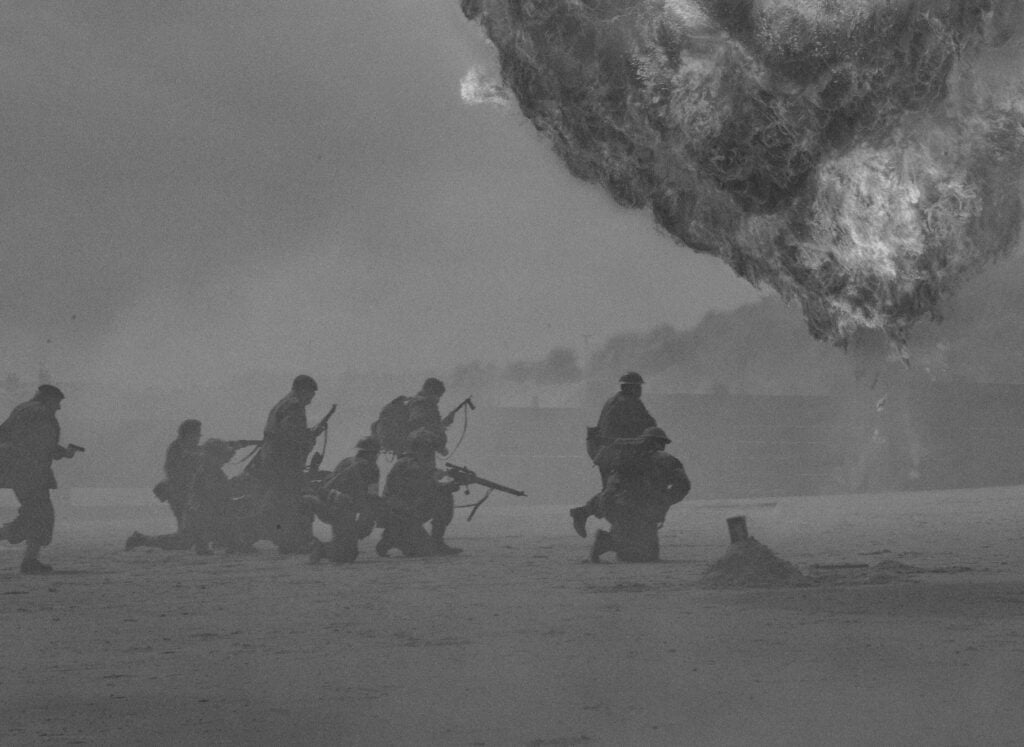
In the beginning days of World War II, General Douglas MacArthur was holed up on Corregidor, a small island in Manilla Bay in the Philippines. Fast-moving Japanese forces had invaded the Philippine islands. Without immediate support from the United States, the nation was doomed to fall to the brutal Imperial Empire.
Knowing the Philippines was lost and anticipating the likelihood of his capture or even death at the hands of the Japanese, MacArthur phoned an aide who was still in Manilla, instructing him to do something extraordinary. MacArthur had not received full compensation for his role as Field Marshall of the Philippine Army. He requested that the funds he was owed be used to purchase immediately Lepanto gold mining stock. The Lepanto Consolidated Gold Mining Company engaged in the exploration and mining of gold in the Philippines. Following the war, this last-minute purchase made MacArthur a millionaire.
Some historians have accused Douglas MacArthur of manipulating a desperate situation for his own advantage by purchasing stock at a dramatically deflated price. However, while the Japanese occupied the Philippines, MacArthur’s investment was worthless.
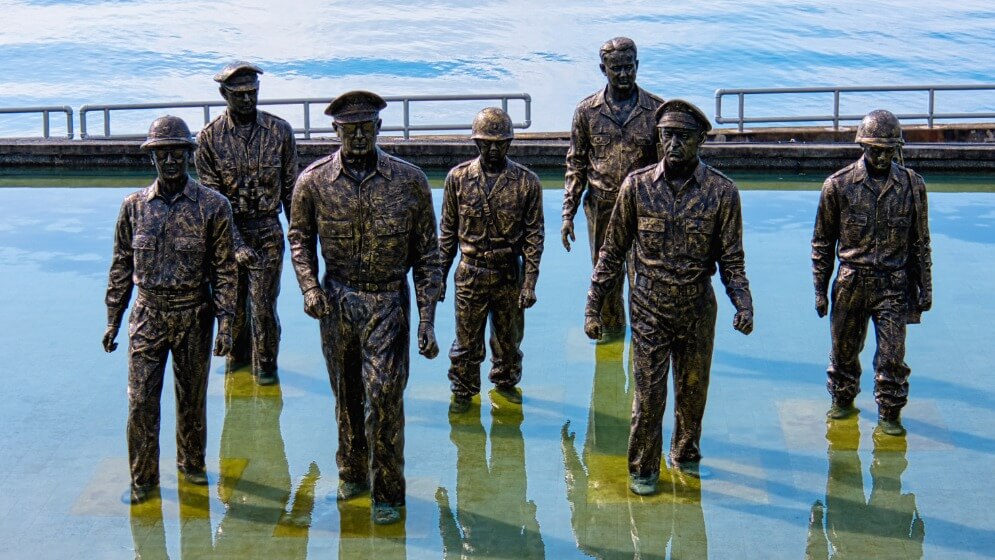
Days after making his investment, MacArthur was forced against his will to flee from Corregidor to Australia on orders from President Franklin Roosevelt. When he left, he famously promised, “I shall return.” After more than two years, on October 20, 1944, with the beach still being hit by enemy sniper bullets and mortar shells, MacArthur waded ashore at Leyte in the Philippines. In his prepared speech, he said, “People of the Philippines: I have returned. By the grace of Almighty God our forces stand again on Philippine soil.” The United States Army, under MacArthur’s command, liberated the Philippines.
No one besides God can ever know the true motives of a man’s heart. However, it may be that MacArthur’s investment, made when few if any truly believed it could ever amount to anything other than total loss, was not an expression of greed but of faith. MacArthur truly believed President Roosevelt’s words when he said in his Pearl Harbor speech, “the American people in their righteous might will win through to absolute victory.” He believed, in the face of overwhelming disaster, that the enemy would be defeated, and the Philippines liberated.
Jeremiah 32 records an incident that took place while the prophet was imprisoned, the land of Judah occupied by the Babylonian army, and the city of Jerusalem surrounded. Jeremiah’s cousin came to him offering to sell him farmland then occupied by the Babylonians. God told Jeremiah to make the purchase, “for thus saith the Lord of hosts, the God of Israel; houses and fields and vineyards shall be possessed again in this land.” (Jer. 32:15) Jeremiah made a business transaction that would have seemed at the time to be foolish. But he took God at His word and acted in faith. God kept His word, and the people of Judah were eventually restored to their land.
Everyday people make decisions based on what they see, experience, read online, or hear on television. While people certainly ought to be thoughtful and informed as they make life’s choices, Christians have something more than this. We have principles to guide us and a sure understanding of the future found in the Bible, the Word of God. When we make choices based on what the Bible says, choices that may contradict reason or seem unjustified when considering circumstances alone, we are not being foolish. We are wise. We are acting in faith. Taking God at His Word, anticipating an outcome based on His Word, and acting accordingly is faith. The Bible teaches us that this is true wisdom, and those who live by faith will not be ashamed.
Those who exercise faith will no doubt find, like Douglas MacArthur, this is the path to true wealth and lasting success.
David A. Oliver is the pastor of Ashley Baptist Church in Belding, MI.
Discover more from Proclaim & Defend
Subscribe to get the latest posts sent to your email.